Festival Volunteers: Roles, Duties, and How to Get Involved




Festivals are engaging community events designed to bring people together to enjoy music, good food, art, and other entertainment. They can be effective fundraising events for nonprofits that raise both awareness for an organization’s mission and funding for its projects and programs.
But underlying every amazing festival is an essential group of individuals who drive the event’s success: festival volunteers. In this guide, we’ll review everything your nonprofit needs to know to recruit a solid group of festival volunteers ahead of your next fundraising event.
Recruiting and training volunteers are essential steps on your event preparation checklist, so be sure to prioritize them in the early planning stages.
What do volunteers do at festivals?
Festival volunteers keep live events running smoothly by taking on essential operational and guest-facing tasks before, during, and after the event. They serve as the backbone of the festival experience, ensuring both production needs and attendee comfort are met seamlessly.
Top volunteer roles include venue setup and cleanup, ticketing/wristbanding, info booth assistance, parking control, concessions, and merchandise sales. Specialized teams also handle accessibility support, waste sorting, first-aid assistance, and basic stage or artist support.
Why are festival volunteers important?
As a nonprofit event coordinator, you must balance your event’s budget with your expected fundraising revenue. You can alleviate some costs by recruiting volunteers rather than hiring one-time event staff.
Volunteers offer free support and can greatly increase the quality of your event with proper training. They can keep your festival running smoothly at every stage, from the ticket booth to the live entertainment and breakdown.
What are the requirements to be a festival volunteer?
While exact qualifications vary depending on the event and role, most major festivals stick to a core set of criteria:
- Age minimums: Most events require volunteers to be at least 18 years old by the time of the event, though family-oriented or community festivals sometimes allow teens aged 16+ with parental consent.
- Physical demands: For most festival volunteer roles, volunteers should be prepared to stand or walk for most of your shift. Certain operational roles (like setup, gear staging, or waste sorting) may require lifting around 25 lbs or navigating uneven outdoor terrain.
- Time commitments and attendance: Volunteers must commit to fulfilling all scheduled shifts—typically ranging from 12 to 24 total hours spread over the festival weekend—and attending a mandatory pre-event orientation or training session.
- Paperwork and screening: Standard requirements include signing liability waivers, submitting a refundable deposit (to ensure you complete your shifts), and, for certain roles, passing a basic background check.
- Specialized certifications: Specialized roles like medical/first aid or driving passenger trams require valid credentials, such as active CPR/EMT certifications or a valid driver’s license.
- Accessibility accommodations: Festivals welcome crew members of all abilities. If volunteers need mobility, sensory, or schedule accommodations, encourage them to reach out to your volunteer coordinator early to ensure they receive a role that fits their needs.
How can I effectively recruit festival volunteers?
The first step of the volunteer recruitment process is determining how many volunteers you’ll need for your festival. Reference your organization’s past major events to predict your anticipated number of festival attendees. Then, use that estimation to determine how many volunteers you’ll need to host a well-run, safe festival.
Once you know the approximate number of volunteers you’ll need, recruit volunteers effectively using the following strategies:
- Know your target audience. Use your volunteer management software to understand who has volunteered for your events in the past and the best ways to reach them. Reach out individually to volunteers who have participated in similar events in the past.
- Develop clear festival volunteer role descriptions. Make sure your volunteer registration page includes detailed descriptions of each role and allows volunteers to select the roles they’re most interested in. Below, we’ll explore essential volunteer roles and duties to assign for your festival.
- Make registration simple. Post your registration page link on your website and social media pages. Ensure the form is short and sweet, with only essential questions.
- Make it easy to find logistical information. Ensure you send out a detailed email with everything volunteers need to know about their shift, such as where to park, when to arrive, what to wear, and who to contact if they have any questions on event day.
Be sure to also highlight the perks that volunteers will receive from participating. These might include free festival entry, complimentary t-shirts, or free food.
How do I manage festival volunteers effectively?
Keeping track of volunteers can be a complex task, especially if you’re planning a large festival with thousands of potential attendees. Volunteer management software solutions help reduce confusion and streamline volunteer organization.
If you’re looking to invest in a new volunteer management system, look for a solution that can manage the entire volunteer lifecycle, including:
- Recruitment: Your system should make it simple to create branded sign-up forms for your festival shifts, screen volunteers, and collect documentation like waiver signatures.
- Volunteer database: A database stores volunteer information such as contact information, past volunteer history, special skills, and other personal details. Use your volunteer database to reach out to past volunteers and see if they’re available to support your festival.
- Scheduling: Your volunteer management software should facilitate bulk actions, shift duplication, multiple scheduling views, and mobile scheduling capabilities. This comes in handy when scheduling festival shifts, especially if your event takes place over multiple days.
- Communication: Segment volunteers, personalize volunteer communications, and send updates over multiple platforms, including email, text, and mobile app notifications. You can use quick text and app notifications to stay in touch with volunteers on the fly on event day.
- Reporting: Run reports on volunteer hours, impact, and other relevant metrics to assess the value of volunteer support on your festival.
Volunteer management software can help provide an organized, positive experience for festival volunteers, empowering them to fulfill their responsibilities effectively.
16 crucial festival volunteer duties
To ensure you’re covering your bases during your festival, you’ll need to think through your volunteer needs well in advance. Here is a list of standard festival volunteer roles:
1. Set-up
Vendors and staff will come in early to get everything ready, and you may also need volunteers on hand to help set up tents, concession stands, and more. Recruit a team to arrive a couple of hours before the festival begins and help with these set-up tasks.
2. Entrance team
Every event planner knows how important it is to ensure that the event entrance is well-managed. You’ll need a team of volunteers who scan tickets or wristbands and ensure that everyone gets through security in a timely manner. Entrance volunteers need to be level-headed and able to communicate effectively with attendees if a problem arises.
3. Parking attendants
Parking is often one of the biggest pain points for festival attendees. To avoid confusion and frustration, deploy a volunteer team to direct traffic and assist with parking. These volunteers should ensure that your parking facility is used as efficiently and safely as possible. Make sure these volunteers have bright, reflective vests if they’ll be working in the dark or in low visibility conditions like fog.
4. On-site ticket sales
Not everyone will show up to your festival with pre-purchased tickets. This means you’ll need a registration or ticket sales booth near the entrance. Make sure the volunteers selling tickets are knowledgeable about the various artists and attractions at your event so they can answer questions as they sell tickets.
5. Information crew
Help attendees avoid getting lost by recruiting a team of information or usher volunteers. Station them throughout your event site to help direct guests and answer their questions. Make sure these team members wear your festival’s official volunteer t-shirt so attendees can easily identify them.
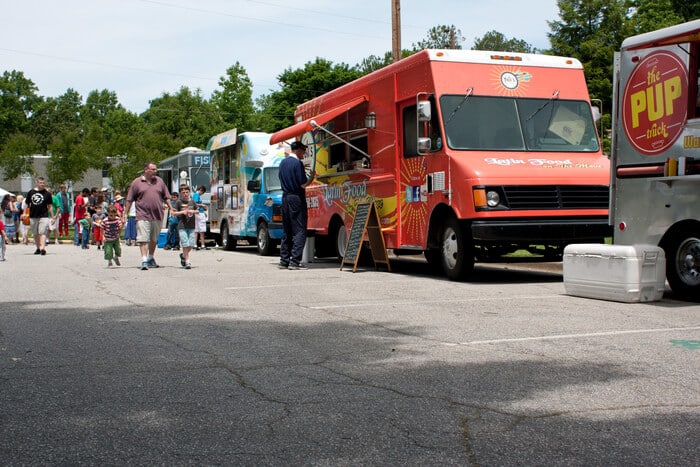
6. Concessions
Your festival will likely have external vendors on-site selling food and drinks, but you might also have volunteers manage concessions or drink booths that are sponsored by your nonprofit. Plus, if your event is selling alcohol, you’ll need to train several volunteers to check IDs (be sure to check your state’s laws about minimum age requirements for selling alcoholic beverages).
If you have extra volunteers, it is often better to over-staff these tents to help manage the lines and keep things running smoothly.
7. First aid
First aid is a specialized position, so these volunteers should be trained and certified in CPR and first aid. For large events, you might need to have nurses or EMTs from external organizations on duty as well. Check local laws and ordinances to ensure your festival fulfills all necessary first aid requirements.
8. Security
Security is another area where you might reach out to a third-party organization to see if they would be willing to offer pro-bono services to support your fundraising event. Your regular volunteers can also assist with security as needed, especially when it comes to reporting suspicious activity. Let them know they can report security concerns using your volunteer communication app.
9. Merchandise sales
Your nonprofit can bring in even more event revenue by selling branded merchandise at your festival. Design your merchandise with your organization’s or event’s unique logo to promote brand awareness. Equip volunteers with portable tablets to help customers check out and make sure they have basic cash-handling skills.
10. Stagehands
If your festival has multiple stages and performance areas, you will need a team of volunteers on hand to help backstage and provide the artists with everything they need. If possible, try to specifically recruit volunteers with stage management and tech experience. Stagehand volunteers can assist with everything from tech and stage setup to mid-show technical difficulties.
11. Advocates
As a nonprofit, your festival has multiple goals. You’ll need to create a positive experience for attendees and ensure your event reaches its fundraising targets.
Advocacy-focused volunteers can help spread the word about your organization’s mission and goals among attendees and encourage them to donate or join your team as volunteers themselves.
Print out flyers for this team to share that feature information about your nonprofit and a QR code leading to your online donation page.
12. Photographers/videographers
A dedicated team of skilled photographers and videographers can document your festival, providing you with high-quality promotional materials for follow-up messages and future event promotions.
Consider recruiting volunteer photographers and videographers who are looking to build their portfolios and empower them to capture your event and share the images through your social media channels. Create a unique event hashtag that volunteers can use to share images.

13. Floaters
A team of floating volunteers can provide support to other teams as needed throughout your event. For example, if a different team has a no-show, a floating volunteer can step into that role to fill any gaps in your team.
14. Clean up
To ensure that your festival is as sustainable as possible and that you don’t accrue any fines from your venue, assign volunteers to clean-up duty. This should be its own team, separate from other groups, to avoid overworking volunteers.
Equip this team with trash and recycling bags, cleaning supplies, and, if needed, protective gear to leave your venue spotless and reduce your environmental impact.
15. Accessibility
Ensuring your event is welcoming to attendees of all abilities requires dedicated accessibility support. Volunteers in this role assist guests with mobility needs, manage accessible viewing platforms, direct attendees to sensory-friendly areas, and help navigate paved or ramped pathways across the venue grounds.
16. Shuttle and transportation
Navigating off-site parking or multi-stage shuttle routes can be overwhelming for festival guests. Transportation volunteers assist at transit hubs, managing shuttle line queues, loading passengers safely, guiding rideshare pickup zones, and providing travel schedules to keep venue transit running smoothly.
Festival volunteer shift structure and scheduling examples
Building an efficient shift schedule is the key to keeping festival operations running without overworking your crew. Most multi-day events trade festival entry credentials in exchange for 12 to 24 total hours of volunteer work.
Depending on the operational intensity of the role, coordinators may structure shift durations into three standard blocks:
- Three- to four-hour shifts: Ideal for gate scanning, parking direction, or waste sorting in hot weather. Shorter blocks prevent physical burnout and keep energy levels high.
- Six-hour shifts: The most common segment for information booths, merch sales, and concessions. Volunteers complete two of these over a three-day weekend to hit a standard 12-hour requirement.
- Eight-hour shifts (Setup, teardown, and technical crew): Reserved for pre- or post-festival setup/cleanup, stagehands, and team leads. Doing a single eight-hour shift before or after the event often grants volunteers full access during show days without any working commitments during performances.
Festival volunteer FAQs
How can I match festival volunteers with the right roles?
The best way to match every volunteer to the right role is to collect information like qualifications, interests, skills, and availability through your volunteer sign-up form.
You can also use information from volunteer surveys or volunteers’ engagement histories to personally reach out to volunteers who have taken on or expressed interest in similar roles in the past.
How can I retain festival volunteers for the long term?
Recruiting volunteers for future events is easy when you have a robust volunteer management and appreciation strategy in place.
Lay the groundwork for long-lasting volunteer relationships by showing volunteers gratitude from when they first register to after your event concludes. Thank volunteers in your informational emails, and follow up after your event with detailed appreciation messages that recap volunteers’ accomplishments. Let volunteers know how much you were able to raise through your event because of their support.
You might even send volunteers gifts such as merchandise or gift cards to show your appreciation.
Wrapping up
Volunteers are the face of your festival. With such an important role to play, it’s essential to plan out your volunteer assignments well in advance and equip volunteers with the communication tools and training they need to be successful.
To ensure your festival fundraiser and its volunteers are set up for success, check out the following additional resources:
- 16 Top Volunteer Management Software Picks for Nonprofits. Volunteer management software streamlines shift scheduling and communication for large events. Explore 17 top solutions here.
- Volunteer engagement: Strategies for smart organizations. Maintaining volunteer relationships is crucial for finding support for future events. These strategies will help you retain your festival volunteers for the long term.