Should Hundreds Of New Nonprofits Be Created Each Year?





Each year, the amount of nonprofits operating in the United States swells even larger. The number of 501c3 organizations grew by 29.7% from 2003 through 2013 alone!
The debate often rages on whether we truly need to add such a large number of new nonprofits each year. Here are the arguments often heard for being more selective in adding new 501c3 organizations:
- Most new nonprofits overlap services and missions with existing orgs who are better equipped to properly deliver
- Additional funding dollars are scarce sine the % of giving from GDP is stable from year to year
- The majority of new nonprofits never even reach $100,000 in annual revenue and may unable to truly perform the mission intended
- So many overlapping missions confuses donors and funders
- Underfunded nonprofits may do as much harm as good
- Proper staffing is hard for brand new nonprofits with tiny budgets
- Founders may not be equipped to lead if successful
- Volunteers, which are often critical may, be spread too thin
Starting any new organization, whether for-profit or nonprofit, brings with it odds of survival after 5 years below 2-3%. It takes a great idea combined with tremendous effort, proper people and a dash of luck to beat those odds!
The “Other” Side of the Story
Even armed with the above information, there are still excellent situations and strong reasons for creating certain new nonprofits.
Perhaps you will agree, as we explore this new nonprofit recently highlighted by Seth Godin in one of his very popular blog posts entitled “The DoSomething lessons.”
DoSomething.org is quite unique.
This recently approved organization was new to me. It did, however, seem to be game-changing enough to be a poster child for creating a new nonprofit. Plus, any organization, whether new or old, that can rally younger generations by the millions, is worth exploring.
This group has rallied 3.4 million people to do, as they phrase it, “make the world suck less.”
Their website is… quite different and quite thought-provoking. My favorite section is simply entitled Sexy Financials – subtitled as “our dashboards are like looking at frogs in 9th grade biology.”
Anyone who knows me will attest to my love for dashboards displaying vital metrics about any organization. This group has done just that and more with their 2014 recap.
They made their recap hard hitting and fun by wonderful pictures. Those pictures and a few key stats bring their community impact to life.
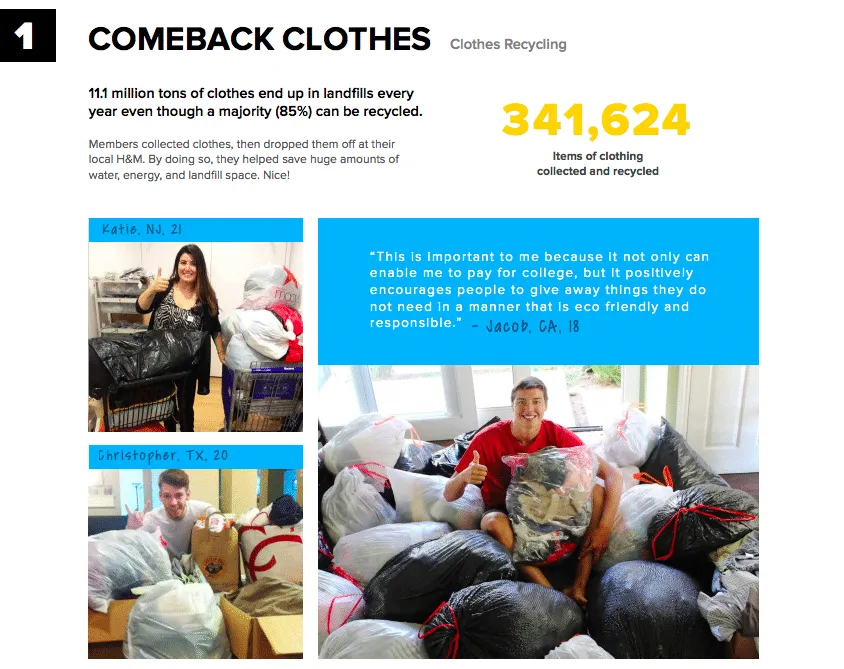
Do not be surprised if the somewhat boring old annual reports succumb to many more quarterly and annual dashboard summaries like DoSomething.org brought to like on their website.
I could go on and on about their communication skills and efforts. Suffice to say this 60-year-old nonprofit sector veteran is a fan!
There Are Good Reasons To Create New Nonprofits
We just perused on solid example above. If any organization can fulfill at least a portion of the criteria below, then I for one think they should make the plunge. If they do not have several of these, then perhaps joining up with an existing nonprofit is the best strategy.
Here are a few criteria that come to mind:
- A novel or unique cause
- Solid initial funding in place and a fundraising plan
- An experienced team or at least a leader who has done it before
- Solid knowledge of the technology required for communication
- An excited built in or easily accessible base of volunteers
- A strong rallying cry
- A cannot fail attitude
- A never ending entrepreneurial spirit
What did I miss? Do you think we need so many new nonprofits every year? Let us know in the comments below!