Article

How to Make the Most of a Nonprofit Conference

Updated: 02/27/2026
Fundraising Leadership/Culture
Givecon Pop Lt
Updated: 02/27/2026
Fundraising Leadership/Culture

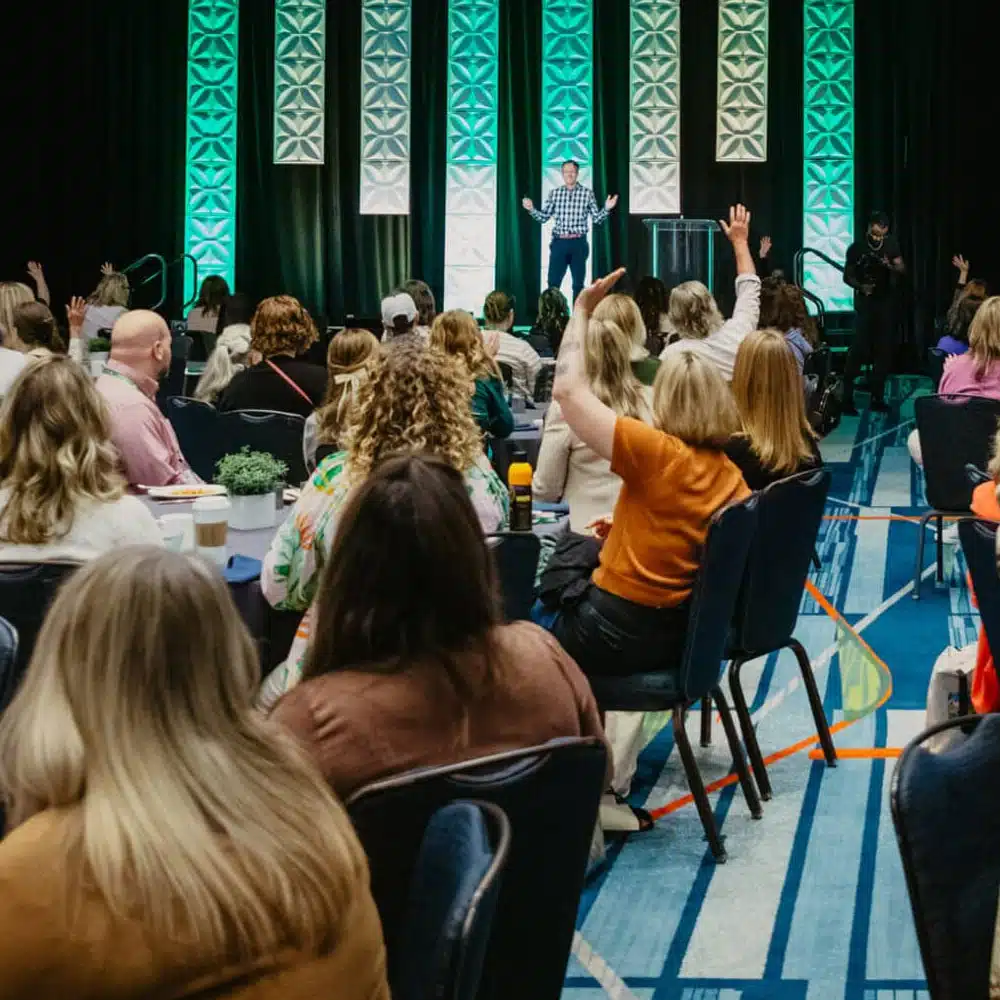
Attending events like GiveCon, AFP ICON, NTC, or Cause Camp can be a big investment—between the registration fee, travel, lodging, and time away from your desk. For many nonprofit organizations wanting to squeeze the most out of their budget, the question becomes: how do you turn conference days into year-round growth?

Here’s the bright side: with a little planning and a lot of intention, your next conference can become a catalyst that drives your mission upward. This guide walks through practical, role-specific strategies for nonprofit professionals at every level. Whether you’re a development director gathering donor engagement ideas, an operations manager exploring better systems, or a board member sharpening governance instincts, you’ll find concrete steps to help you earn a strong return.

Let’s turn conference attendance from a line item into a mission multiplier.

Set clear goals before you leave the office

Conferences like AFP ICON, GiveCon, or the Nonprofit Technology Conference pack dozens of sessions, hundreds of vendors, and thousands of attendees into a few intense days. Goals are what help you turn all that energy into outcomes you can bring back home.

The move is simple—turn broad intentions (“learn about fundraising”) into specific targets you can measure and apply. Here’s how different roles can approach goal-setting:

Role-specific goals to consider

  • Development director: Come home with 3 new major donor cultivation ideas, identify 2 potential partners for corporate partnerships, and book 5 one-on-one meetings with fundraising professionals running capital campaigns.
  • Operations manager: Evaluate 2 tech tools that streamline reporting for finance teams, gather 3 process improvement ideas from other organizations, and compare data privacy practices with peers.
  • Volunteer coordinator: Learn 3 new volunteer onboarding tactics, collect 2 recognition program templates from volunteer leaders, and connect with 4 organizations facing the same challenges with retention.
  • Database admin: Assess 2–3 CRM integrations that reduce manual data entry, discuss data hygiene best practices with 3 peers, and identify 1 tool that improves donor segmentation.
  • Board members: Clarify governance best practices from 2 interactive sessions, consult with other board members on board-staff dynamics, and gain insights on nonprofit leadership trends.

Pre-conference planning checklist

  • 2 to 6 months out: Secure budget approval and register early for best rates
  • 1 to 4 months out: Book travel and lodging, block your calendar
  • 2 weeks out: Review the full agenda, select sessions, and set 3 learning objectives
  • 1 week out: Reach out to 3–5 people you’d like to meet, prepare your 15-second mission intro
  • Day before: Finalize your printed schedule, charge devices, and pack business cards

When you define success in advance, you can spot it in real time, and you’ll have a clear framework for measuring ROI once you’re back.

Build a smart agenda, not a packed schedule

Session FOMO is real. When you’re scrolling through agendas for events, every title seems designed to grab you. A smart schedule makes room for learning and for the conversations and connections where so much value lives.

Curate your agenda around outcomes. Review the program early and tag sessions by theme: fundraising, tech, leadership, operations, or volunteer management. Then choose with purpose.

How to prioritize your picks

  • Select 1–2 keynote speakers whose topics directly match your organization’s priorities this year
  • Choose 3–5 breakout sessions that map to your pre-defined goals
  • Add 1–2 “wild card” sessions outside your usual lane for fresh perspective and bold ideas
  • Leave open blocks for hallway conversations, vendor hall visits, and networking breaks

Role-specific agenda priorities

  • Development directors should favor major gifts, donor retention, and stewardship tracks—look for sessions with case studies from organizations similar in size to yours
  • Operations managers lean into finance, reporting, data privacy, and industry trends around hybrid event tech
  • Volunteer coordinators seek engagement, recognition, and retention sessions—especially those with interactive sessions and peer sharing
  • Database admins prioritize sessions on CRM optimization, data security, and latest trends in automation
  • Board members focus on governance, strategic planning, and nonprofit leadership development

Make space for downtime too. Many conferences run from 7 AM breakfasts through 9 PM receptions. Building in 15–20 minutes between clusters helps you process what you’re learning, recharge, and show up fully for the moments that matter.

Network with intention (even if you’re introverted)

At conferences, the coffee line and hallway can be just as powerful as the keynote stage. A five-minute conversation with someone tackling a similar challenge can spark an idea that shapes your entire year.

You don’t need dozens of new connections. Aim for 5–10 meaningful conversations with clear follow-up potential.

Networking goals by role

  • Development director: Meet 5 peers running capital campaigns or major gift programs, and connect with 2 potential partners for collaborative fundraising
  • Operations manager: Talk to 3 organizations about their tech stack and vendor relationships
  • Volunteer coordinator: Swap ideas with 4 organizations about volunteer appreciation and retention strategies
  • Database admin: Compare data hygiene practices and CRM workflows with 3 peers
  • Board member: Consult 2 fellow board members on governance challenges and board-staff dynamics

Practical networking tips

  • Prepare a 15-second intro about your mission that invites conversation, not a monologue
  • Bring 2–3 thoughtful questions: “What’s one change your org made after last year’s event?” or “What’s the biggest opportunity you’re focused on this year?”
  • Use social media—especially LinkedIn and the official event hashtag—to identify people you want to meet, engage with their posts, and set up coffee chats in advance
  • Attend at least one or two social events, even briefly. Informal settings often lead to the most memorable conversations

Capture contacts in real time

Log every new contact the same day. Record: name, role, organization size, topics covered, and any promised follow-ups. Following up within 48 hours converts more leads into meaningful conversations. Let your follow-up be as timely as your connection.

Practical tips for following up after the conference

The difference between a quick chat and a lasting partnership is what happens within 3–5 business days after you return. Follow-up is where conference energy becomes real organizational progress.

Simple follow-up workflow

  • Within 24 hours: Send a brief LinkedIn connection request with a personalized note referencing your conversation
  • Within 3–5 days: Email new contacts with a specific callback to what you discussed—“Loved hearing about your volunteer appreciation program. Here’s the template I mentioned.”
  • Within 2 weeks: Schedule 15–30 minute virtual coffee chats with your most promising connections

Role-specific follow-up ideas

  • Development director: Share a relevant case study or impact report that continues the conversation about donor engagement
  • Operations manager: Request a sample policy or process document you discussed and offer one of your own
  • Volunteer coordinator: Swap volunteer handbook templates or onboarding checklists
  • Database admin: Propose a short virtual show-and-tell comparing data cleanup processes
  • Board member: Invite peers to a future governance roundtable or share insights from the conference

Example email subject lines

  • “Great meeting you at NTC—here’s that resource I promised”
  • “Following up from AFP ICON: Quick question on your donor retention approach”
  • “Connecting after GiveCon—coffee chat next week?”

Use Bloomerang to tag every new contact with the conference name and year (e.g., “AFP ICON 2025”). Build a segment for these contacts so you can share resources, send quarterly check-ins, and keep those connections warm over time.

Make sessions actionable: notes, debriefs, and next steps

Inspiration feels amazing. Implementation is what moves your mission. The difference is how you capture what you learn and translate it into next steps.

Use a consistent note-taking format for every session

  • 3 key takeaways (what did you learn?)
  • 3 possible actions (what could your organization try?)
  • 1 follow-up resource or person (who/what helps you go deeper?)

Handwritten notes can stick, and digital backups keep them searchable. Each evening, snap photos or move your top insights into a shared doc.

End-of-day debrief routine

  • Review your notes from the day
  • Star your top 5 ideas across sessions
  • Identify 1 quick win to test within 30 days of returning
  • Note any attendees or speakers you want to reconnect with

Role-specific focus areas

  • Operations managers and database admins: flag process, data systems, and reporting workflow ideas
  • Development directors and volunteer coordinators: prioritize tactics that elevate donor and volunteer experience
  • Board members: focus on governance insights, strategic direction, and leadership best practices

Organize notes by session so you return home with a clear, searchable library of ideas.

Bring the conference back to your team

Sharing insights is how you turn personal learning into team-wide progress—and how you make future conference investment an easy yes.

Aim to share within the first week back.

Structure your internal recap

  • Prepare a 1-page summary for quick circulation
  • Schedule a 30–45 minute meeting to walk through highlights (tailor for staff vs. board)
  • Prioritize 3 initiatives to implement in the next 90 days, assign owners, and set simple success metrics

Role-specific debrief approaches

  • Development director: Run a mini session on new stewardship ideas and donor engagement tactics
  • Operations manager: Share a short deck on process improvements or tech recommendations, including vendor comparisons
  • Volunteer coordinator: Present an updated engagement plan incorporating new ideas
  • Database admin: Propose 1–2 data-quality or workflow improvements based on learnings
  • Board member: Debrief governance takeaways at the next board meeting and connect them to strategic priorities

Measuring impact with Bloomerang

Decide how you’ll measure results. If you adopt a new donor stewardship approach, use Bloomerang’s reporting to compare donor retention rates before and after. Segment, track engagement, and review dashboards quarterly to see what’s moving.
Get value from the expo hall and vendors (without getting overwhelmed)

Expo halls can feel like a whirlwind: crowded booths, fast pitches, and plenty of swag. They can also save you months of research on tools for donor management, online giving, volunteer scheduling, and reporting.

Prepare before you arrive

  • Pre-select 5–10 booths aligned with your current pain points
  • Focus on role-relevant categories: giving platforms like Bloomerang, email marketing tools, volunteer management software, grant tracking solutions, or data visualization tools
  • Review vendor websites in advance so you can ask sharper questions

Approach vendor conversations strategically

Bring 3–4 specific questions:

  • “How does your platform integrate with our current systems?”
  • “What’s pricing like for small to mid-sized nonprofit organizations?”
  • “What does implementation look like, and what training or support is included?”
  • “What’s your edge over [competitor] in reducing manual reporting?”

Role-specific vendor priorities

  • Development directors: donor engagement features, online giving, and stewardship automation
  • Operations managers and database admins: reporting, data integrity, integrations, and ease of migration
  • Volunteer coordinators: communication tools, scheduling, and volunteer portal functionality
  • Board members: governance dashboards, transparency, and stakeholder reporting

Capture your impressions immediately

After each booth visit, note: vendor name, fit (yes/maybe/no), follow-up needed, and who should be involved in evaluation. Log it in a shared doc or project tool so your post-conference shortlist is ready to use.

Take care of yourself so you can show up fully

Early breakfasts, late receptions, and full days of learning take real energy. When you protect your bandwidth, you get more out of every session and conversation.

Practical self-care tips

  • Wear comfortable, professional shoes. You’ll walk more than you expect.
  • Bring a refillable water bottle and healthy snacks
  • Schedule 10–15 minute breaks between session blocks to process notes
  • Choose one restorative activity during multi-day events: a morning walk, an early night, or a quiet meal

Know your limits

  • Introverts might choose one-on-one coffees and quieter meals
  • Extroverts might schedule dedicated “download time” to capture insights
  • Everyone benefits from skipping at least one optional evening event to recharge

The goal is to return energized and ready to implement, with ideas that have room to grow.

Use your tools to track impact and close the loop

A conference earns its keep when it leads to measurable change in fundraising, operations, or engagement within 3–12 months. Tracking helps you see what worked and makes future decisions easier.

How to track conference ROI

  • Count new partnerships, collaborations, or donor prospects that came from conference connections
  • Track process improvements, system changes, or volunteer program updates inspired by sessions
  • Compare before-and-after metrics: donor retention rates, volunteer turnout, report turnaround times, email open rates

Use Bloomerang to close the loop

  • Create campaigns inspired by conference ideas and track performance
  • Use dashboards to compare pre-conference and post-conference engagement
  • Set reminders to review results at 30, 90, and 180 days

Example timeline

Timeframe Action
Within 30 days Implement 1–2 quick wins from your starred ideas
Within 90 days Launch 1 pilot initiative (new donor stewardship approach, revised volunteer onboarding, etc.)
6–12 months Review metrics with leadership or board—decide whether to attend next year’s event

Let your data guide your next conference choice. If donor retention is a big opportunity, prioritize stewardship-focused events. If volunteer engagement is your focus, choose conferences with strong recognition and retention tracks. When metrics lead, your investment follows impact.

Final thoughts

A nonprofit conference is more than a few days on your calendar. It’s a spark. A place where fresh ideas meet real-world experience. Where hallway conversations turn into partnerships. Where one insight can unlock new energy for your entire team.

When you set clear goals, show up with intention, and follow through with purpose, you multiply impact. You return with sharper strategies, stronger relationships, and a renewed sense of what’s possible for your mission.

Ready to turn new connections into lasting generosity? Bloomerang’s donor management software helps you track, segment, and nurture every relationship you build, so momentum doesn’t fade when the conference ends. And if you’re looking for your next inspiring experience, consider joining GiveCon, a leading nonprofit conference designed to equip you with practical tools and bold ideas to keep pushing purpose higher.

Make your next conference count. Capture the insight. Strengthen the connection. Raise the bar on what your organization can achieve.
FAQ

How do I set effective goals before attending a nonprofit conference?

Identify the specific outcomes you want to achieve, such as learning new fundraising strategies or evaluating fundraising technology. Prioritize sessions and networking targets around these goals to make your attendance more focused and productive.

What are the best ways to network during a conference?

Use the conference app and social media to reach out to attendees early, schedule 1:1 meetings or coffee chats, and participate in structured activities to expand your nonprofit network.

How can I avoid burnout and stay engaged throughout the event?

Balance sessions, networking, and downtime by including both focused workshops and ‘outside your lane’ sessions while leaving time for informal conversations and breaks.

What is the best method to organize and apply what I learn?

Track contacts and insights using a spreadsheet or CRM, summarize action items, and share them with your team to ensure concrete follow-through and organizational improvement.

How should I follow up after the conference to maximize impact?

Initiate personalized follow-ups within a week, set up next steps with new contacts, and assign clear owners and deadlines for any pilots or partnerships you’ve committed to starting.

How far in advance should I start planning for a nonprofit conference?

Start a minimum of 8–12 weeks before large events like AFP ICON, GiveCon, or NTC. This gives you time to secure budget approval, register early for best rates, book travel and lodging, and block your calendar. Two to three weeks out is ideal for finalizing session picks, reaching out to people you want to meet, and preparing any materials you might share—like one-pagers, case studies, or board reports.

How many conferences should a small nonprofit attend each year?

Most small nonprofit organizations find 1–2 carefully chosen conferences per year sufficient. Focus on events that directly address current priorities, whether that’s capital campaign planning, a new CRM implementation, or scaling volunteer programs. Evaluate ROI annually using metrics like revenue growth, improved retention, or operational efficiencies before committing to the same event again.

Are virtual nonprofit conferences still worth it?

Yes—especially for tight budgets or limited travel capacity. A virtual conference can deliver high-quality content and targeted networking through chats, breakout rooms, and digital communities. Block the time, take live notes, and schedule follow-up calls with people you meet in sessions or chat to keep your attendance active and intentional.

How do I convince my board to approve conference expenses?

Connect your request to organizational goals. For example: “We’re aiming to improve donor retention by 10% in 2026. AFP ICON will give us tested strategies and peer connections to help us achieve this.” Pair it with an accountability plan: a written recap, a brief board update, and a short list of initiatives you’ll implement within 90 days of returning.


How to Write a Fundraising Plan in 2 Steps.

Download the eBook

Exclusive Resources

Feature The Buyers Guide To Donor Management Software
guide

Buyer’s Guide to Donor Management Software

Get the Guide
Feature Maximize The Lifetime Value Of Your Donor Database
guide

Maximize the Lifetime Value of Your Donor Database

Get the Guide
Feature Ai And You
guide

Nonprofit’s Guide to Understanding and Getting Started with AI

Get the Guide

Popular Topics

Article

Nonprofit Fundraising Website Best Practices

Read the Article
Article

Beyond the AI Hype: What Nonprofit Leaders Should Actually Pay Attention To

Read the Article
Article

Bloomerang’s Vision for 2026: Living the Promise of One Platform

Read the Article

Comments

Leave a reply