







Nonprofit software that puts more within reach.
Engage more
Real connections, real impact.
Uncover what keeps your supporters committed, strengthen relationships, and inspire giving.
2.5
X
First-time
donor retention

Reach more
New donors, wherever + however they give.
Bloomerang keeps you ahead of giving trends. Diversify your supporter base with fundraising efforts that keep connecting.
12
%
YoY growth

Raise more
By doing what you do best.
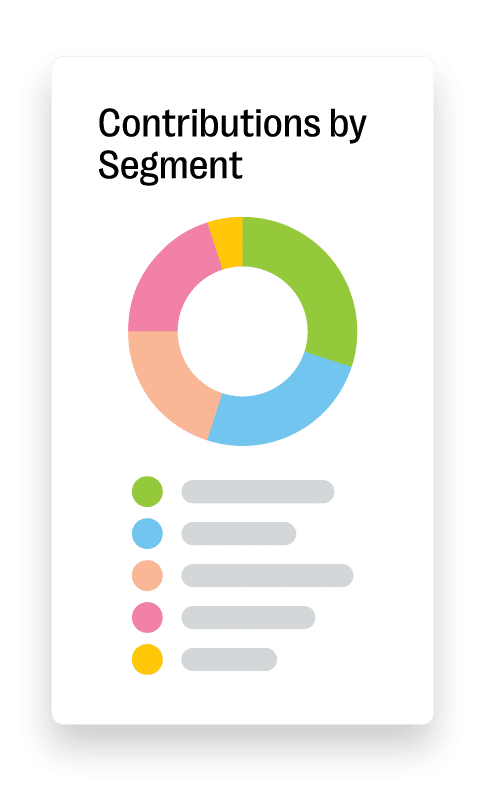
Data-driven insights supercharge the fundraising strategies you rely on. Unlock more generosity—without doing more.
37
%
Gift size increase


Purpose, meet impact.
Fundraising tools, nonprofit CRM, and volunteer management that work together to power your passion and your progress.
Made by fundraisers, for fundraisers.
We know nonprofits, so we built a giving platform and support team to uplift what you do best—inspire generosity.
Connecting your data so you can connect with supporters.
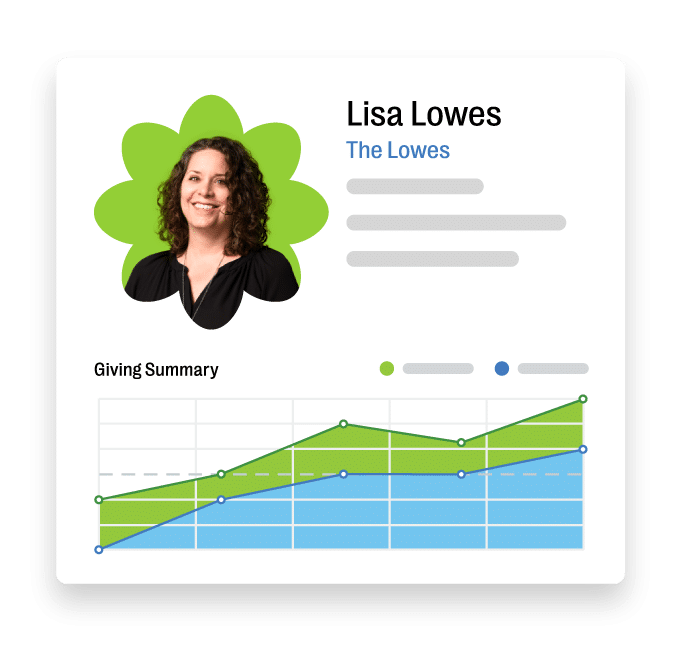
Get a 360-degree understanding of donors, prospects, and volunteers. Meet them where they are and raise more for your cause.
Helping nonprofits raise the bar on impact.
You deserve better than "good enough." Get the fundraising tools you need to raise more and take your impact to the next level.
Everything you need for next-level impact.

Bloomerang Fundraising
Raise more.
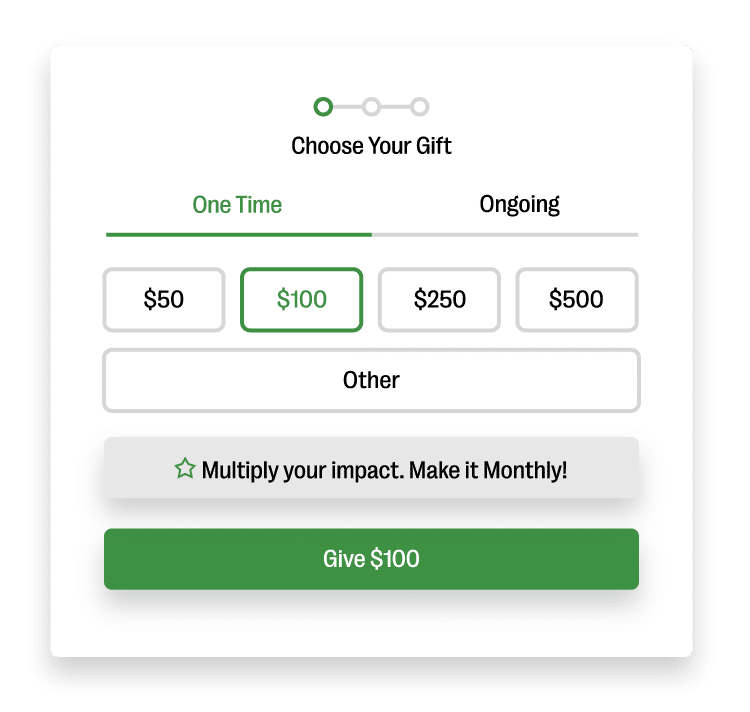
Create the ideal giving experience with integrated fundraising tools and automated insights that maximize your impact.

Bloomerang CRM
Engage more.
Keep donors close to the cause with mean-ingful outreach at the right time. Increase retention, major gifts, and all-around impact.

Bloomerang Volunteer
Recruit more.
Turn supporters into action-takers with tools that make it easy to recruit, organize, and engage volunteers at every level.
Fundraising wins, told firsthand.
Fundraising wins, told firsthand.

"Bloomerang has allowed us to bring everything together—donors, volunteers, and fundraising—into one unified platform. Having a single place where we can see the full picture of engagement helps us streamline our process, strengthen relationships, and better steward our supporters."
Fundraising wins, told firsthand.

“With Bloomerang, we’ve shifted from maintenance into growth mode—coordinating campaigns, data mining, retaining donors, and creating a sustainable path forward for our mission.”
Fundraising wins, told firsthand.

"With Bloomerang, our annual fund is outperforming for the first time in years. Targeted outreach and smarter segmentation are helping us raise more, even outside of major campaign periods.”

Generosity is within reach.
Raise, retain, and engage more, with Bloomerang.